

Choosing Deer Resistant Plants
Time
Budget
Skill
★Deer are a major pest in suburban gardens. Deer graze on a multitude of plants that we grow in our home landscapes. Using deer repellent products can be laborious and expensive. There are a number of ways to reduce deer damage on our plants. Remember, if deer are hungry enough, they may eat just about any plant.
Tools

Compost

Garden Hoe

Gloves
1
Avoid growing deer susceptible plants. Some of their favorites include:
- Daylily
- Hosta
- Tulip
- Oakleaf Hydrangea
- Dogwoods
- Redbuds
- Phlox
2
Choose plants that are very resistant to deer grazing:
- Most herbs; Sage, Rosemary, Thyme, Germander etc.
- American Beautyberry shrub
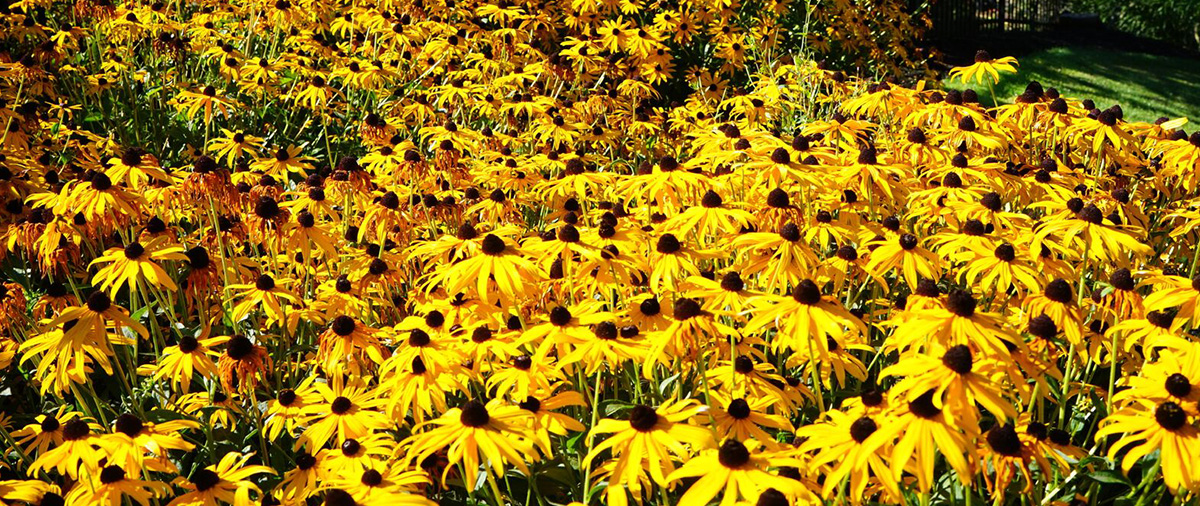
- Black-Eyed Susan
- Bottlebrush Buckeye
- Camellia
- Daphne
- Daffodil
- Coastal Leucothoe
- Echinacea (Purple Coneflower)
- European Ginger
- Most all ferns; Japanese Painted fern, Sensitive Fern, Christmas Fern etc.
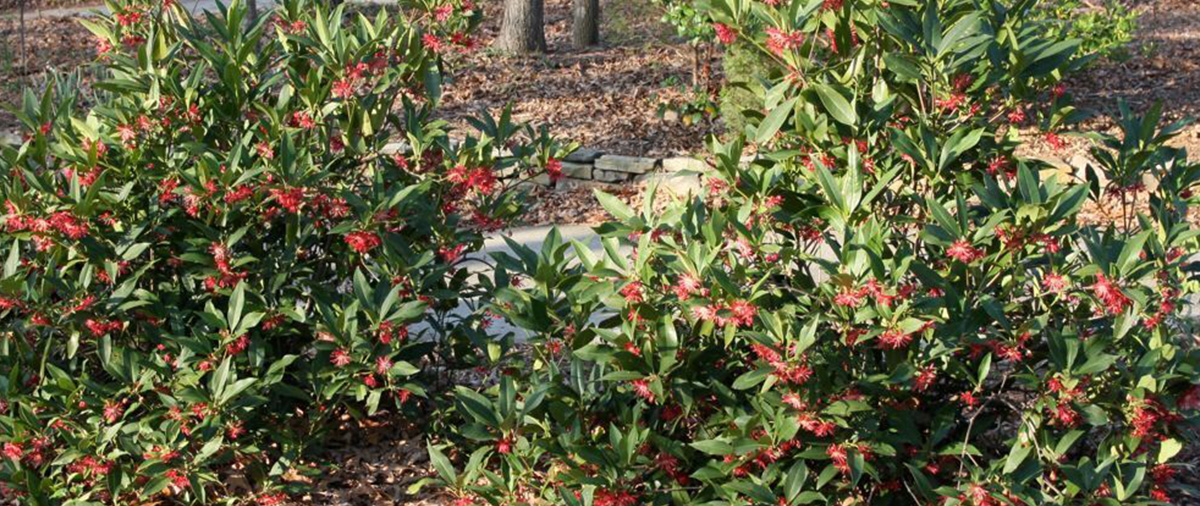
- Illicium
- Lambs Ear
- Leopard Plant (Ligularia)
- Mahonia (Soft Caress)
- Oriental Fountain Grass
- Russian Sage (Perovskia)
- Most Salvias
- Smokebush
- Spurges (Euphorbias)
- Sweet Box
- Tickseed (Coreopsis)
- Winterberry
- Yucca